
What to know before visiting Glen Canyon
Everything you need to plan your Glen Canyon and Lake Powell visit
When to visit Glen Canyon
Planning your visit
Experience Glen Canyon in any season:
Glen Canyon is a vast and remote landscape where conditions can change quickly, so preparation is key to having a safe and meaningful experience.
This guide will walk you through the essentials you need to know before you arrive, including the best times to visit based on weather and seasonal conditions, how to navigate the area and choose the right access point, and what to bring to stay safe in a desert environment.
Wondering about the current Lake Powell water level and conditions? Check the latest updates here before your visit.
You will also find important guidance on protecting the land through Leave No Trace principles, along with local resources like visitor centers, Conservancy stores, and educational programs that can help you make the most of your time here.
Whether you are planning your first visit or returning to explore more, this page is designed to help you feel confident, prepared, and connected to Glen Canyon before you even set foot on the landscape.
Spring
Comfortable temperatures and ideal hiking conditions. Water levels begin to shift. Visitor traffic increases toward late spring.
Summer
Extreme heat is common, often exceeding 100°F. Monsoon season brings sudden storms, lightning, and flash flood risks. This is the busiest time of year.
Fall
Cooler temperatures and fewer crowds. Stable weather makes this one of the best times to visit.
Winter
Cold mornings and evenings with fewer services available. A quieter experience for those prepared for conditions.
Getting to Glen Canyon
Major Access Points
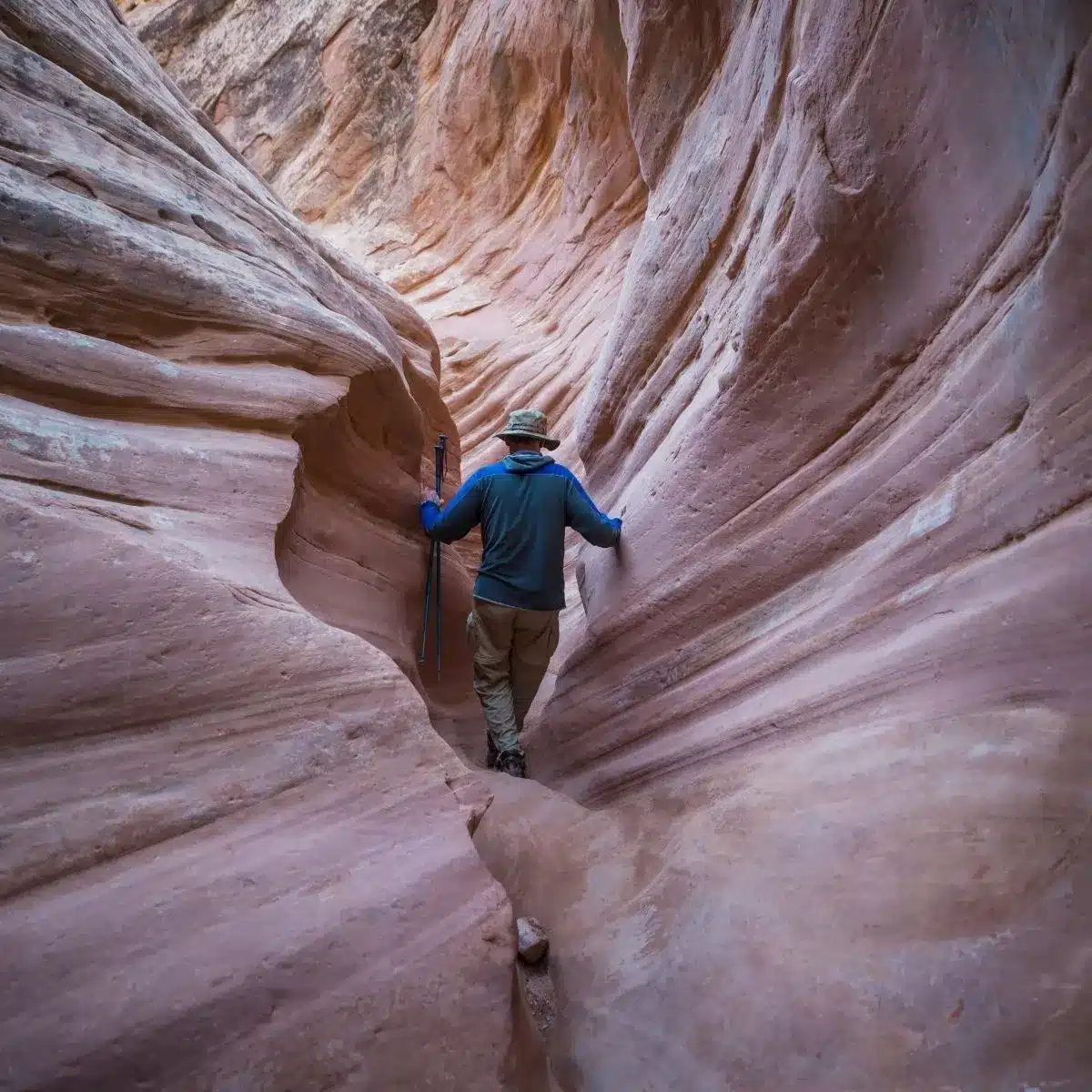
Glen Canyon covers a large and remote area across northern Arizona and southern Utah. Before you go, it is important to understand where you are entering and how far locations are from each other. Plan your route in advance, download maps (cell service likely limited), and allow extra travel time between stops.
Wahweap (Page, Arizona)
The primary access point for Lake Powell and the closest hub to most visitor services. This is the best starting point for first-time visitors and those heading to the Carl Hayden Visitor Center or Glen Canyon Visitor Center in Page.
Bullfrog (Utah)
A northern access point to Lake Powell with fewer crowds and a more remote experience. Services are limited and drive times are longer.
Halls Crossing (Utah)
A mid-lake access point connected by ferry (not in use in 2026). Useful for crossing the lake but requires careful planning due to limited amenities.
Glen Canyon Visitor Guide
What to Bring
Glen Canyon is a desert environment with limited services. Preparation is essential for both safety and comfort.
Checklist:
- At least 1 gallon of water per person per day
- High SPF sunscreen, hat, and sunglasses
- Sturdy, closed-toe footwear for rocky terrain
- Downloaded maps or GPS tools
- Extra food and electrolytes
- First aid kit and emergency supplies
- Flashlight or headlamp
- Portable phone charger
Stay Safe:
Many areas have no cell service. Emergency response times can be long. Plan ahead and share your itinerary with someone.
Common mistakes we see:
- Underestimating water needs
- Relying on cell service
- Wearing improper footwear
Protect Glen Canyon for Future Generations
Leave no trace
Your visit has an impact. Following Leave No Trace principles helps preserve the landscape, wildlife, and cultural resources.
Principles:
- Plan ahead and prepare
- Stay on designated trails and durable surfaces
- Pack out all trash and waste
- Leave natural and cultural features undisturbed
- Minimize campfire impact
- Respect wildlife and observe from a distance
- Be considerate of other visitors
Educational Note:
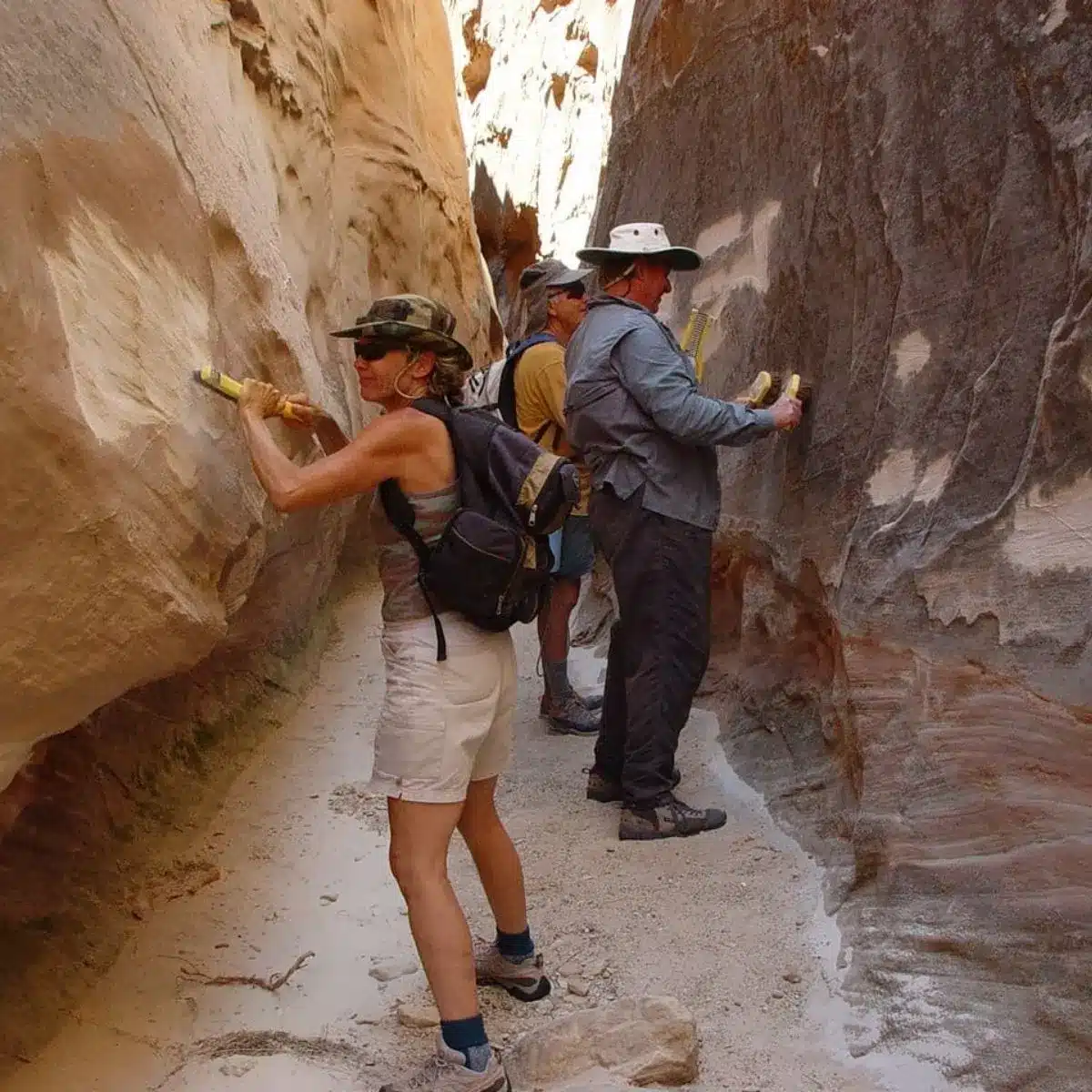
Biological soil crusts are living ecosystems that can take decades to recover if damaged. Staying on trails protects these fragile systems.
Local Resources to support your visit
Local resources
Whether you are planning ahead or already here, Glen Canyon Conservancy resources are designed to help you navigate safely, learn more, and make the most of your time in Glen Canyon.
Visitor Centers
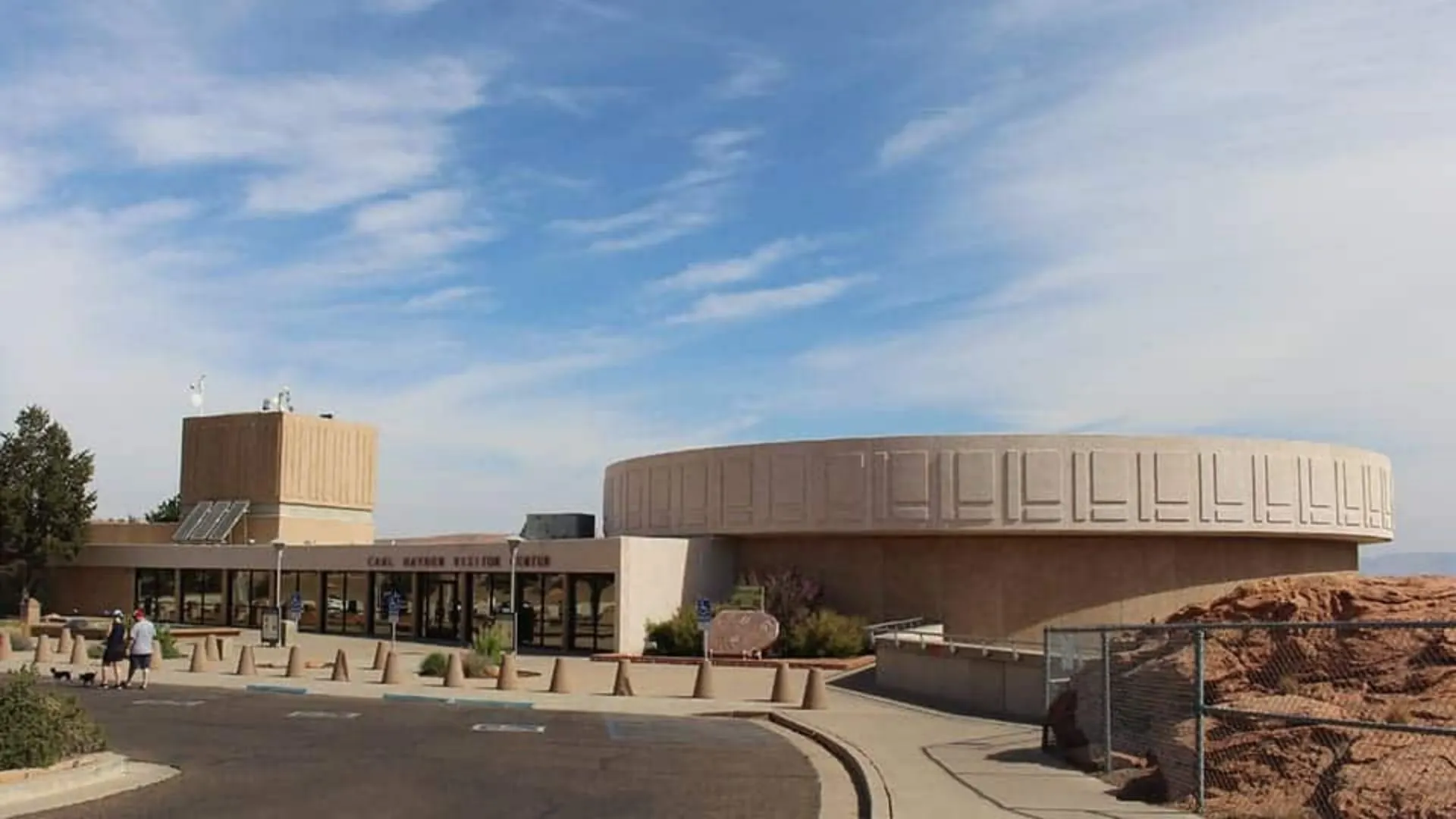
Visitor centers are the best place to start your experience. Whether you need directions, safety updates, or ideas for what to explore, these locations provide reliable, up-to-date information.
At Glen Canyon visitor centers, you can:
- Speak with knowledgeable staff
- Learn about current conditions and safety considerations
- Explore exhibits that provide context to the landscape
These stops help you move from simply visiting to truly understanding the place you are in.
Ranger programs
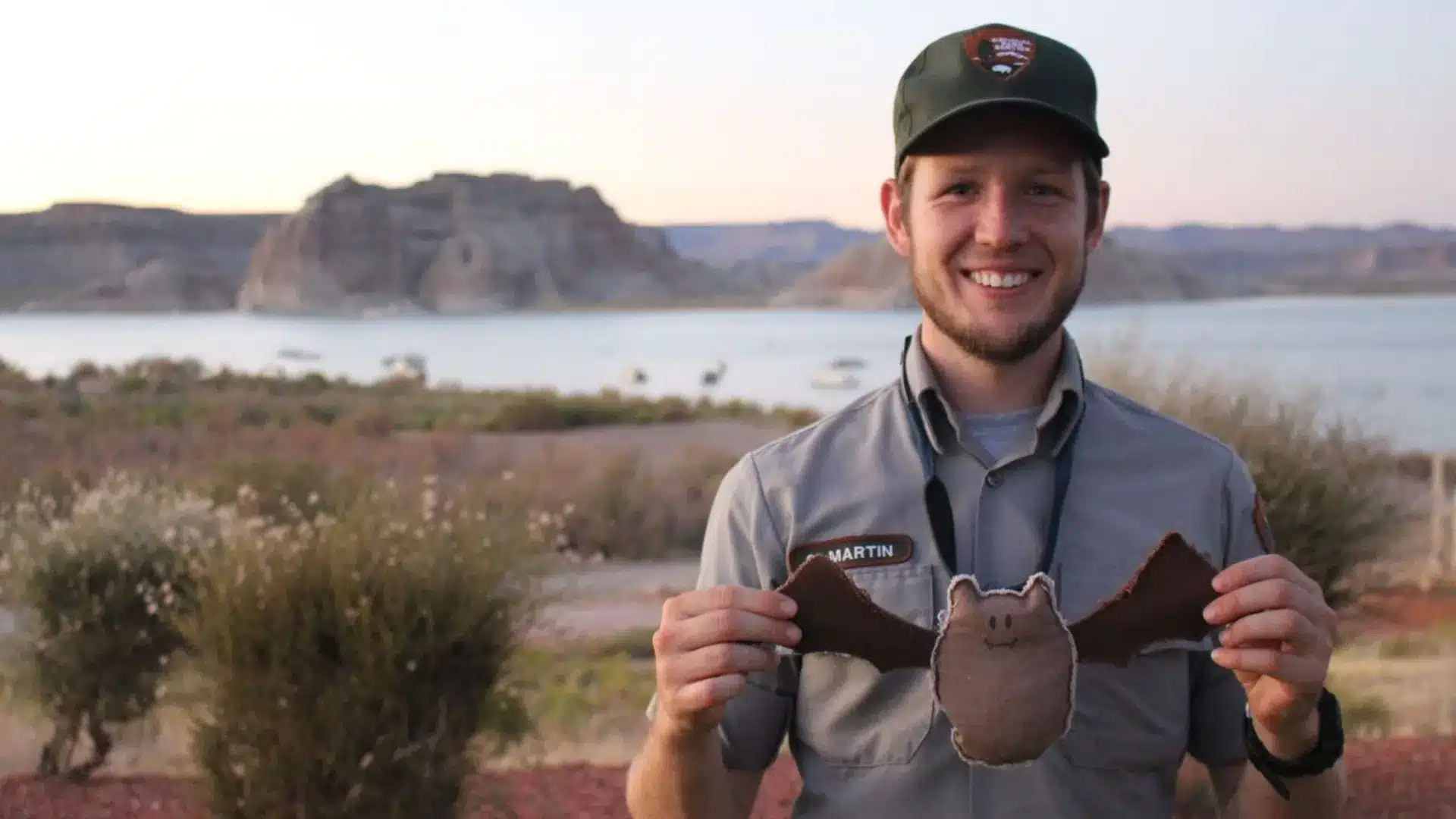
Ranger-led programs offer a deeper look into the history, geology, and culture of Glen Canyon.
Programs may include:
- Guided talks and interpretive walks
- Evening presentations and seasonal events
- Family-friendly educational experiences
Schedules vary throughout the year, so check ahead or ask at a visitor center for current offerings.
Educational resources
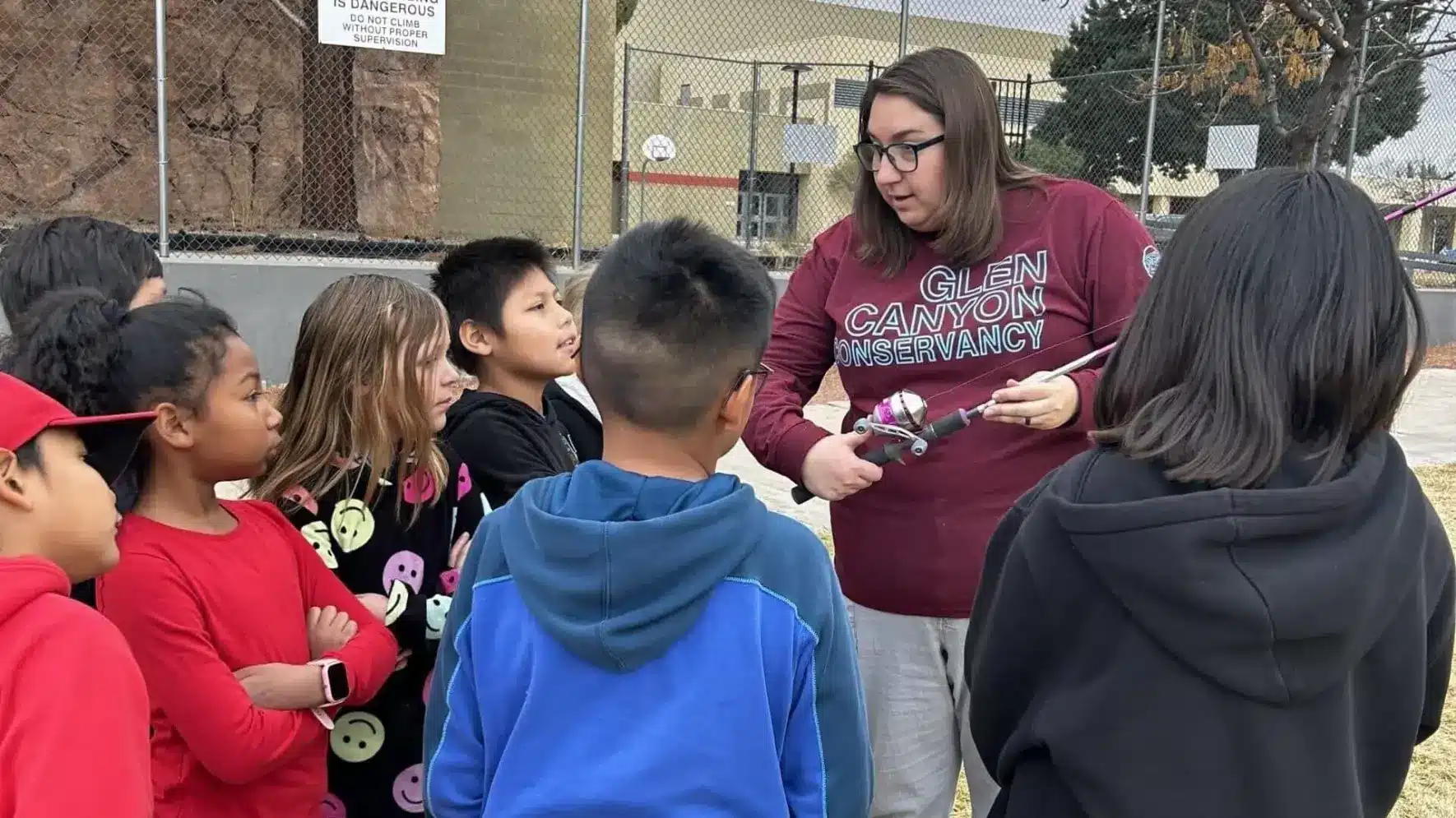
Glen Canyon Conservancy provides access to educational materials for visitors, students, and researchers who want to go beyond the surface.
Resources include:
- Lecture series and recorded programs
- Interpretive materials on the land, culture, and history
- Opportunities for deeper learning and engagement
These resources are designed to build a stronger connection to Glen Canyon and encourage long-term stewardship.
Support Glen Canyon While You Visit
Support Glen Canyon
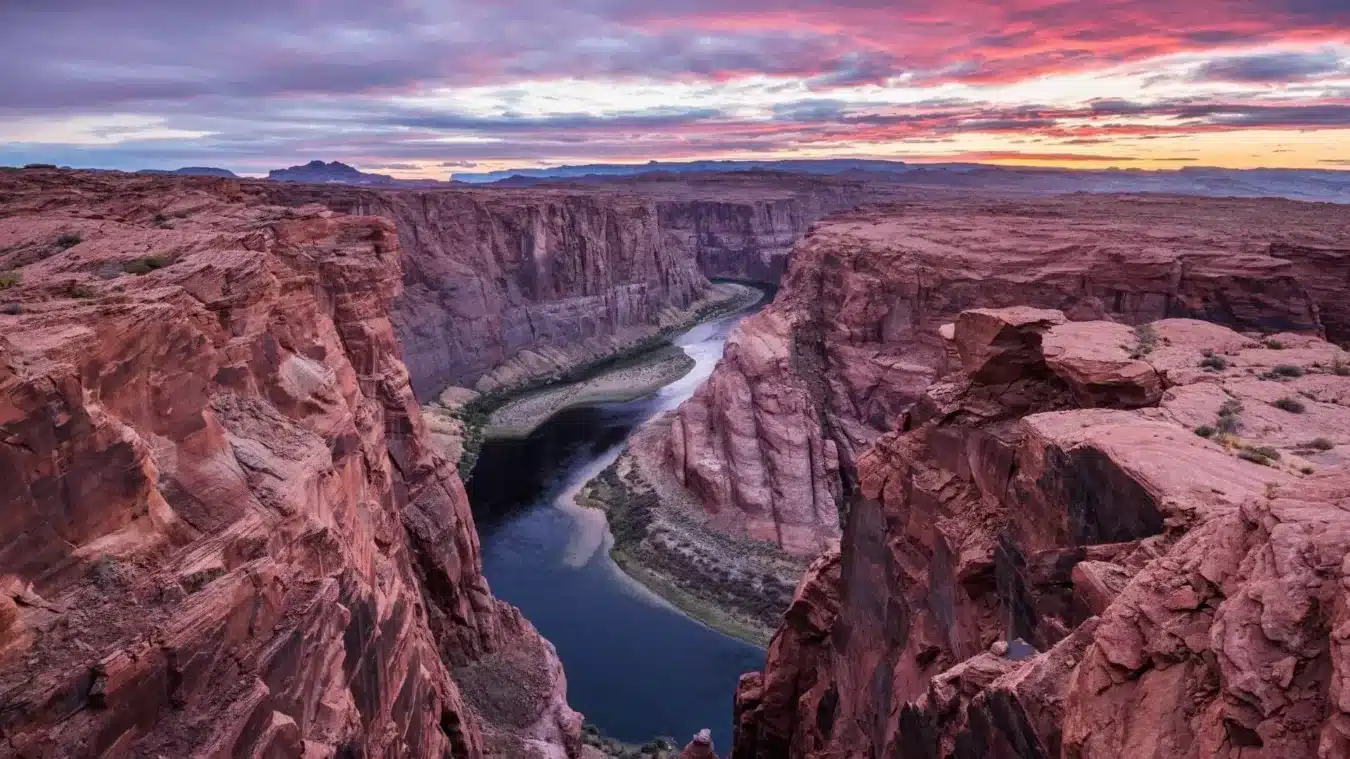
Every visit is an opportunity to give back. Your support helps fund education programs, conservation efforts, and visitor services throughout Glen Canyon.
Make a donation
Help fund programs that protect the land and expand access to meaningful outdoor experiences.
Become a member
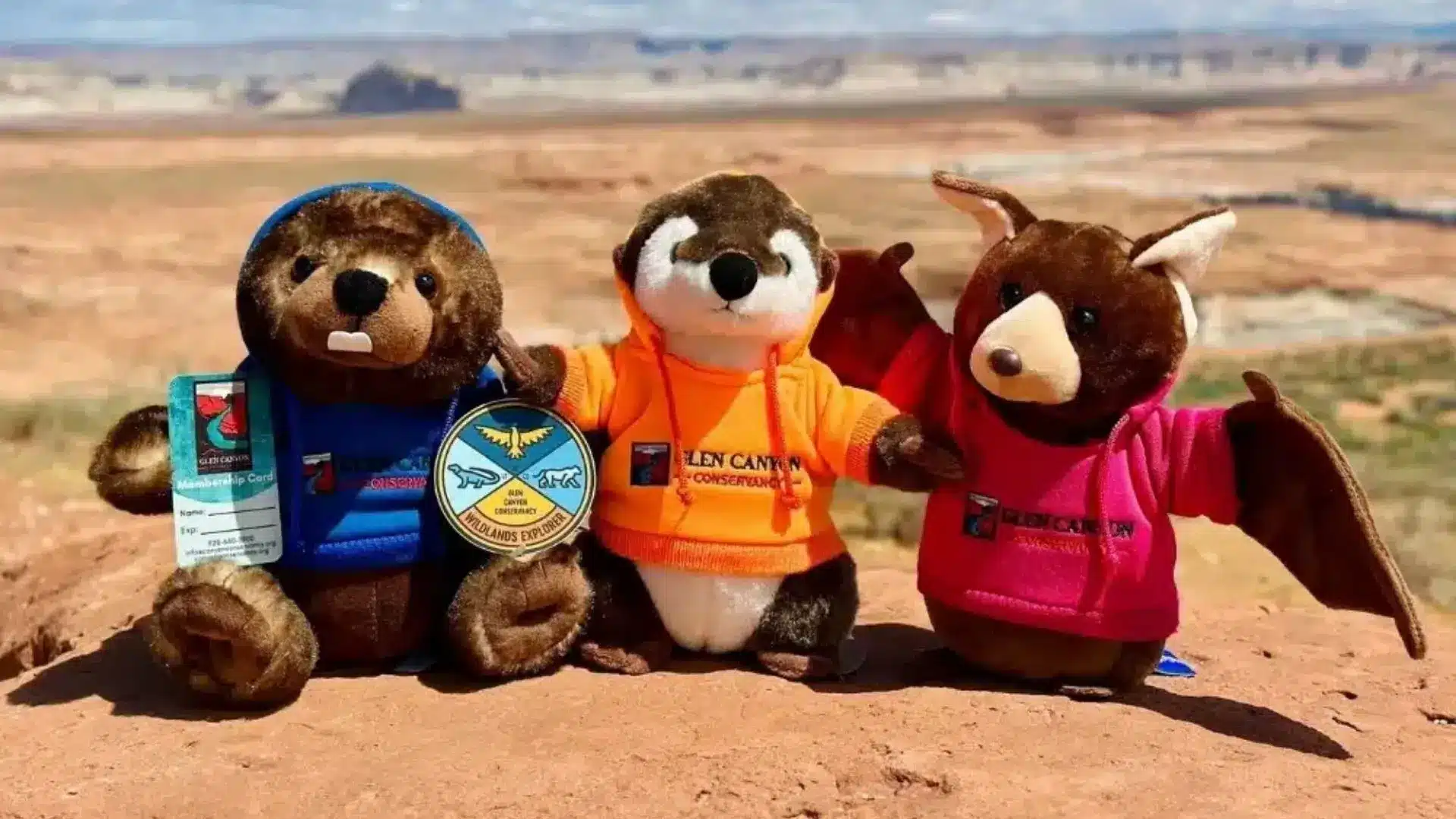
Join a community for $35 that actively supports Glen Canyon through ongoing contributions and engagement.
Adopt-a-Dino
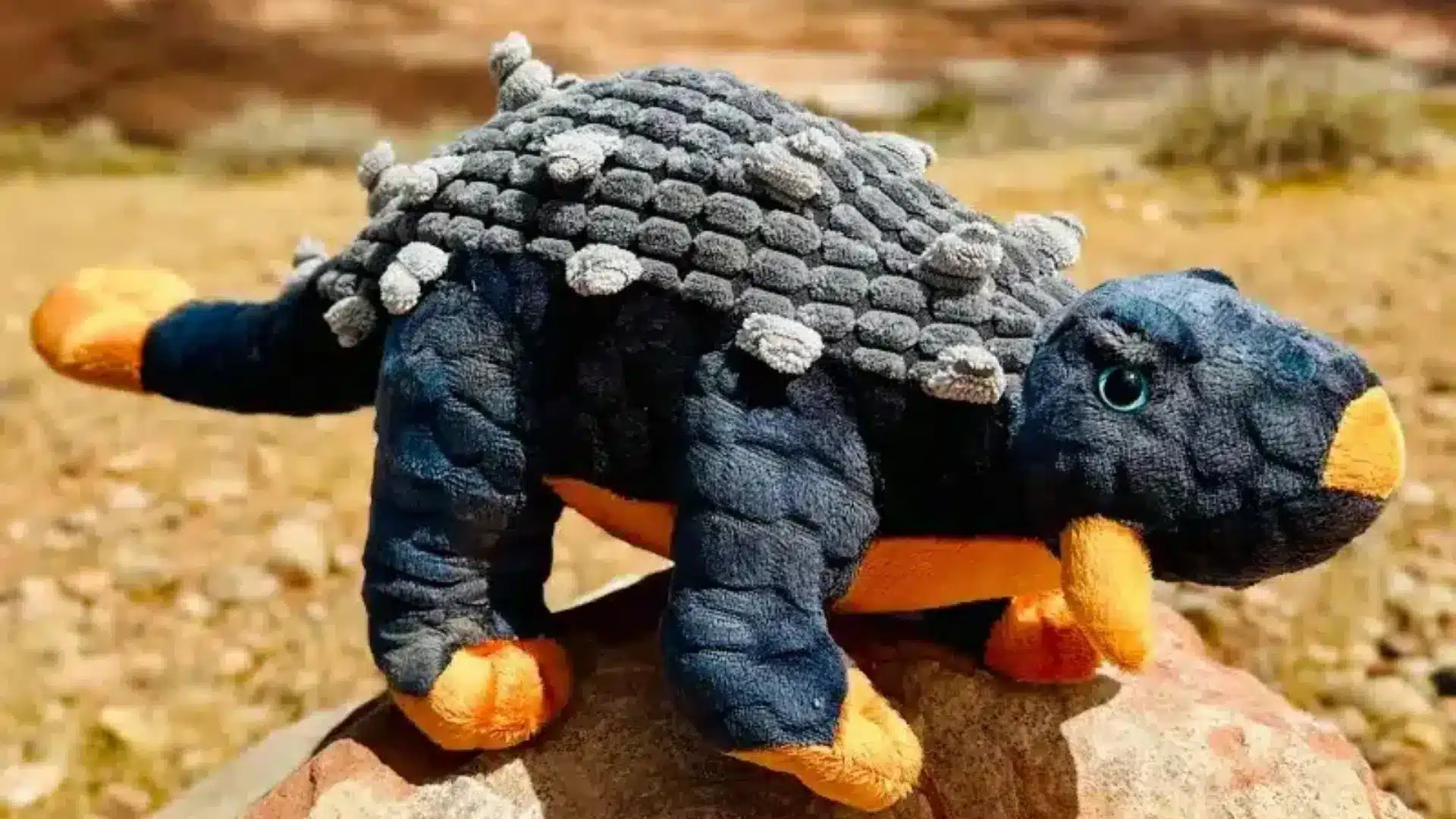
Your $30 purchase includes a plush dinosaur, adoption certificate and printout explaining how funds benefit the park.
Shop with purpose
Glen Canyon Conservancy Stores
Our stores are more than places to shop. They are extensions of the visitor experience, offering trusted information alongside products that support the park.
You will find:
- Maps, guidebooks, and trip planning tools to help you navigate with confidence
- Locally inspired goods and meaningful souvenirs that reflect the spirit of Glen Canyon
- Friendly, knowledgeable staff who can answer questions and provide directions
Support your visit:
Our stores are designed to support your visit, not just sell products. Every item is carefully selected to help you better understand the landscape, its history, and how to explore responsibly.
Plus, every purchase directly supports conservation, education, and visitor programs, helping protect Glen Canyon for future generations.
Questions
Find answers to what matters most before you head into the canyon:
Need more guidance?
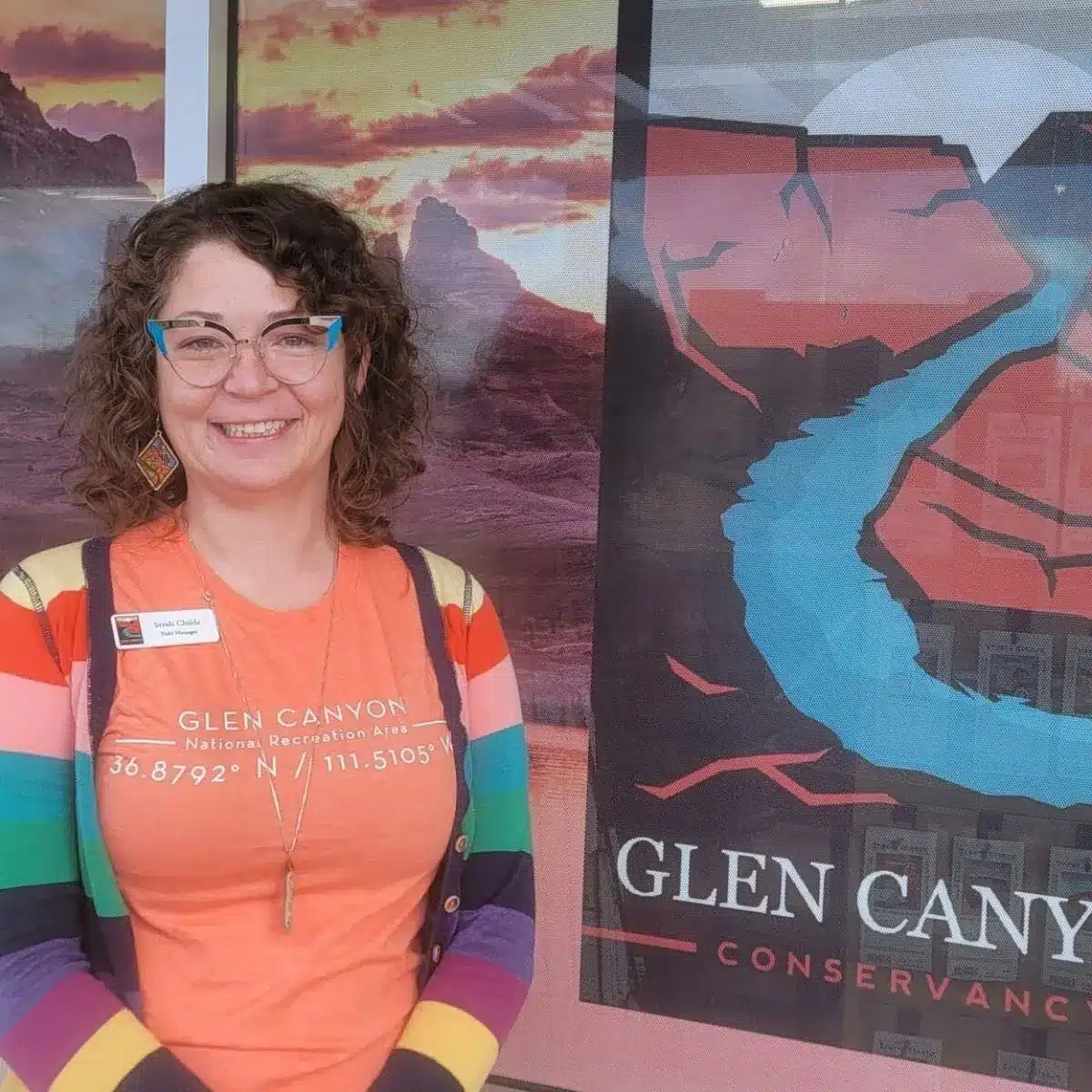
Give our Glen Canyon Visitor Center in Page a call. They’re happy to help answer any of your questions.